

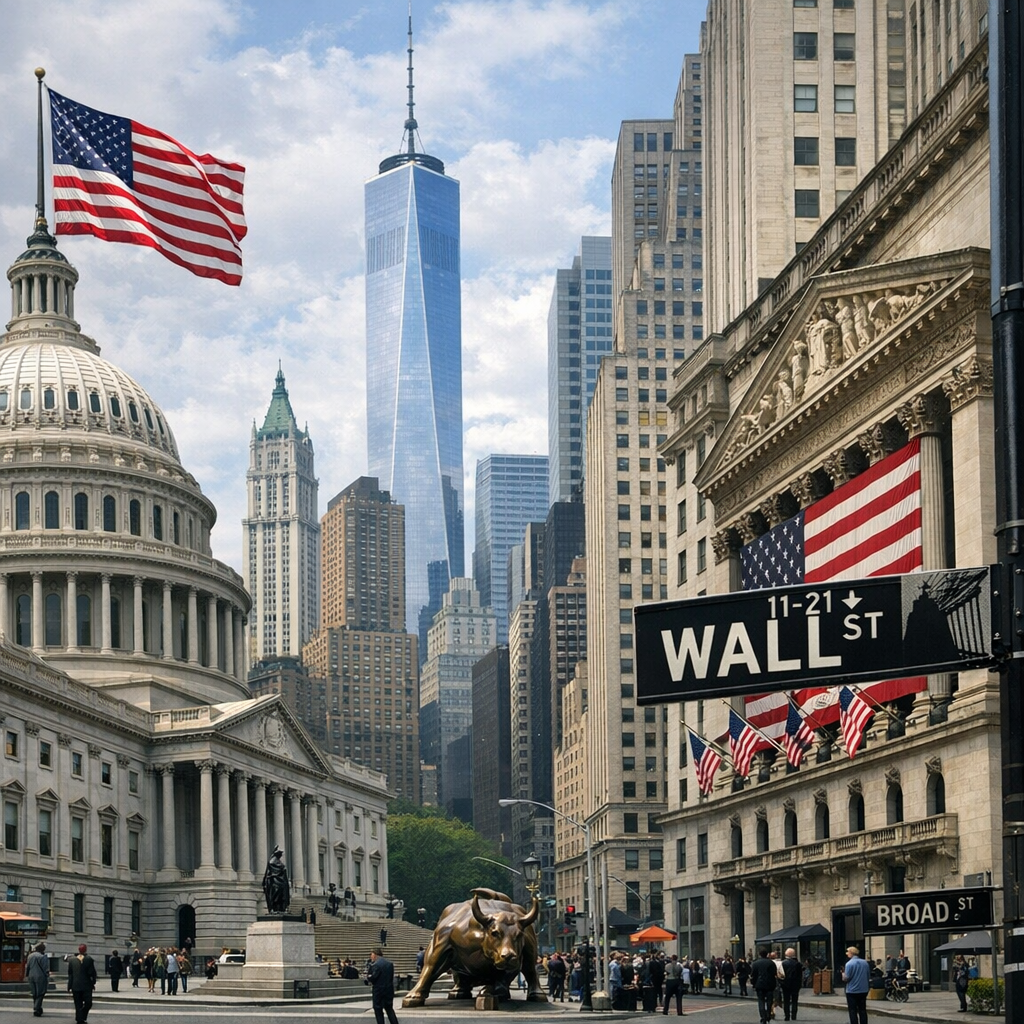
The United States continues to experience significant developments across its political and economic spheres, with recent events shaping the nation’s trajectory.
Political Developments
Recent polling indicates a heightened level of anxiety among Americans regarding the political system. Approximately one-third of citizens identify politics and government as the nation’s most pressing issues, a sentiment more pronounced among older demographics. In contrast, younger Americans are increasingly concerned with economic challenges, such as housing affordability and basic needs.
In legislative matters, federal judges have recently blocked Alabama’s GOP-backed congressional map, a decision that underscores ongoing debates over redistricting and electoral fairness.
Economic Landscape
The U.S. economy presents a mixed picture. The International Monetary Fund (IMF) describes the economy as “buoyant,” projecting a 2.4% growth in gross domestic product for the fourth quarter of 2026. Unemployment is expected to decline to 4.1% in 2026, with inflation anticipated to reach the Federal Reserve’s 2% target by 2027. However, the IMF warns of risks associated with rising federal debt and potential impacts from tariffs.
Consumer confidence has been affected by elevated gas prices and persistent inflation. The average national gas price has risen to $3.61 per gallon, marking a significant increase over the past month. This surge is attributed to global energy market fluctuations, including the ongoing conflict in Iran.
In the housing sector, high mortgage rates have created a divided market as the spring buying season progresses. Prospective buyers face challenges due to increased borrowing costs, while sellers navigate a landscape of fluctuating demand.
Implications
These developments have far-reaching implications. Political uncertainties may influence policy decisions and voter behavior in upcoming elections. Economic challenges, particularly those affecting consumer spending and housing affordability, could impact overall economic growth and stability.
As the U.S. navigates these complex issues, both policymakers and citizens must remain vigilant and informed to address the evolving political and economic landscape effectively.