

By Giorgos Kostas
The United States continues to send ripples far beyond its borders — from the economy to politics to disputes over media rights — all of which matter here in Greece and elsewhere. Here’s a look at the major ongoing developments.
Economic Momentum Slows as Inflation Eases
U.S. economic growth cooled in the second quarter, expanding at an annualized rate of about 1.5%. Consumer spending and business investment did contribute significantly, though government outlays weakened. Inflation has improved slightly, but economists warn that this respite may prove temporary. The rise of artificial-intelligence–driven investment has become a key support, even as housing and government spending lag behind.
Whipsaw Between Press Freedom and Presidential Authority
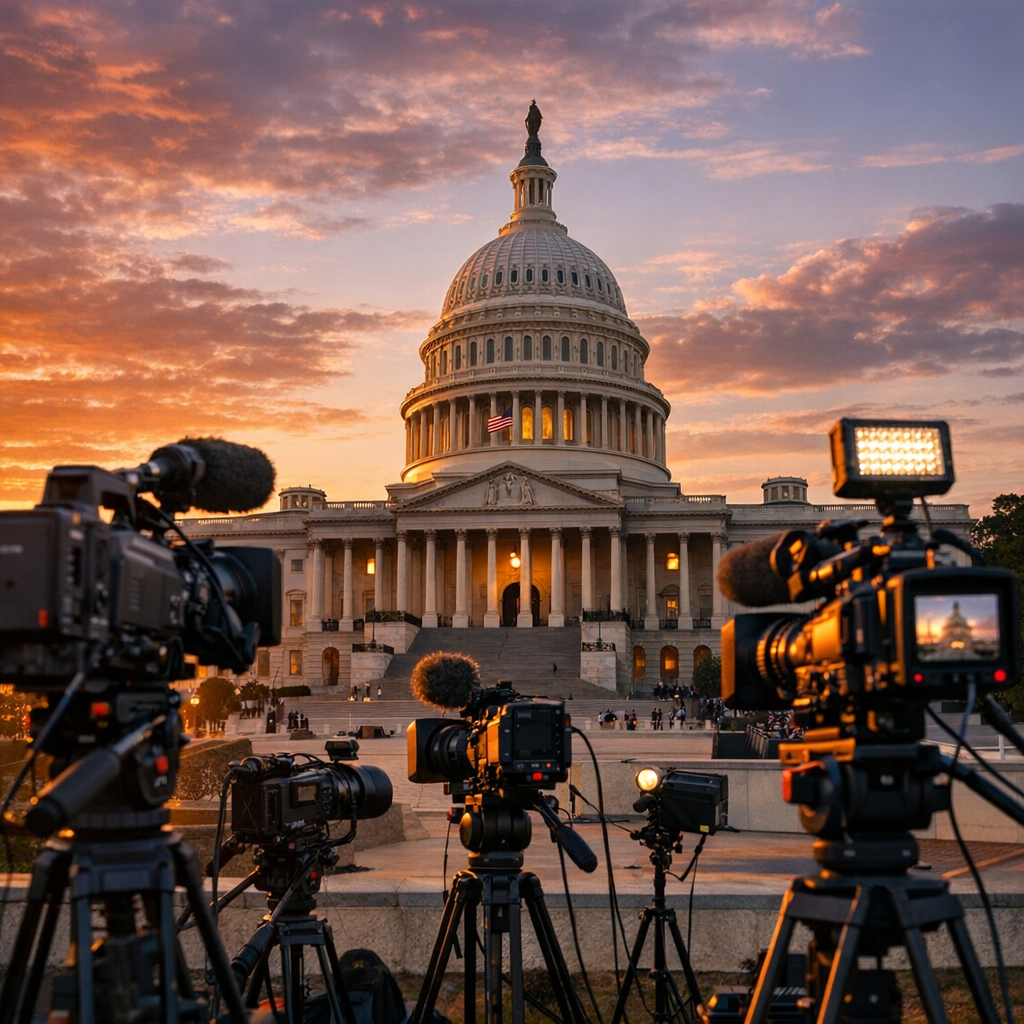
President Donald Trump has banned media outlets including CNN, Politico and MS NOW from White House access, citing their “fake news” coverage. These organizations responded with legal action seeking reinstatement. Critics see this move as a serious threat to transparency and democratic checks — while the administration argues national security and narrative control are at stake.
Rhetoric Gears Up Ahead of Midterm Elections
As the U.S. gears toward midterm elections, Trump steps up attacks against Democrats, portraying them as radical or as threats to the social order. At the same time, he is engaging in high-profile diplomatic gestures, including a state visit from China’s President Xi Jinping — seemingly working both domestic and international angles. The strategy appears to focus on rallying his base, framing the stakes in existential terms, and tying foreign policy to domestic political identity.
What It Means Beyond U.S. Shores
• For observers in Europe—including Greece—U.S. press freedom debates could become a touchstone in discussions about government transparency and media rights.
• Economic slowing in the U.S. may ripple globally through energy, trade, and investment flows.
• Dramatic political rhetoric risks inflaming polarization at home and complicating international cooperation, especially where U.S. policy hinges on broad multilateral support.
The stories unfolding now are part of long arcs — about democracy, media norms, economic stability and political identity. They will matter far beyond November’s vote.